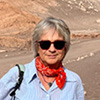
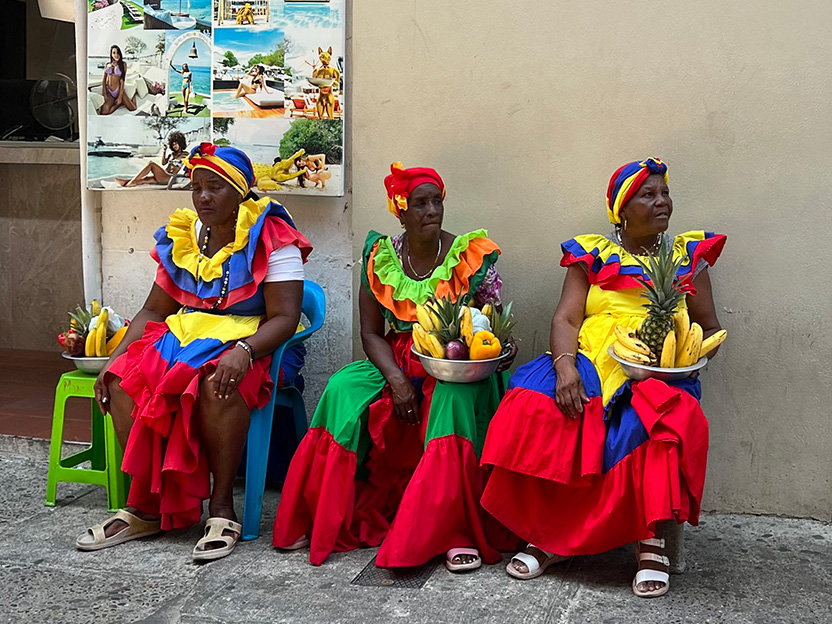
“No vayas ahí, es peligroso”. “No puedes viajar ahí sola”. “Yo fui y no veas el miedo que pase”. “Hay mucho crimen”. “Ten cuidado”. These were the cautionary words I heard from family, friends, and even my own son when I mentioned my plan to travel to Colombia. Despite these warnings, I decided to embark on this journey to see if the country truly lived up to its reputation and to compare the level of insecurity to other Latin American cities I had visited on my travels: Santiago de Chile, La Paz, Lima, Quito, and even Rio de Janeiro. What I discovered in Colombia was not so much a difference in safety but rather a prevailing sense of fear.
Bogota – The Capital of Contrasts
Bogota, the capital of Colombia, is the third highest capital city in the world, nestled at an average elevation of 2,625 meters above sea level. It’s a city of contrasts, where wealth and poverty exist side by side. The city’s society is divided into strata, with the lower strata indicating lower socioeconomic status. These strata influence not only living conditions but also the level of security and even utility bills. Moving from one stratum to another can be as simple as crossing the street.
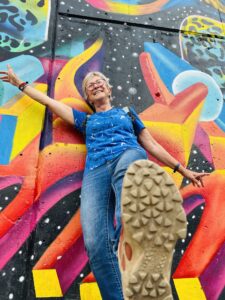
One of the remarkable aspects of Bogota is the “Las Calles Hablan” movement. Street artists and graffiti creators have taken to the city’s walls to voice the sentiments of the people, calling for justice and peace. Exploring these street art displays is like reading an open book of the city’s struggles and aspirations.
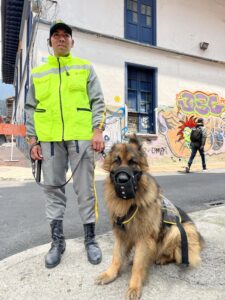
Bogota, with its bustling streets, modern buildings, and efficient public transport system, is a vibrant and dynamic city. However, beneath the surface, there is an undercurrent of tension and insecurity, a legacy of the violence and corruption that has plagued the city for decades. While there are safer neighborhoods for dining and entertainment, caution should be exercised when venturing into certain areas, especially after dark.
 .
.  .
. 
Salt Cathedral in Zipaquira – A Subterranean Wonder
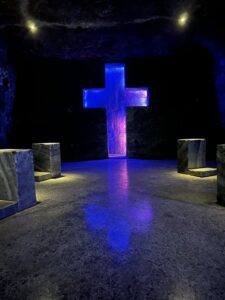
A short drive from Bogota lies the Salt Cathedral of Zipaquira, a breathtaking marvel of engineering and faith. This underground cathedral, carved within salt mines, is considered Colombia’s first wonder. It’s divided into three sections: the Stations of the Cross, the Dome, and the central nave. The cathedral’s construction began in 1991 and was completed in 1996, designed by architect Roswell Garavito Pearl.
One of the most striking features of the highway leading to Zipaquira is the dedicated lane for bicycles. Additionally, there is a continuous presence of roadside assistance vehicles, providing rapid aid to stranded motorists. This efficient service contributes to both road safety and peace of mind.
Medellin – From Notorious Past to Renewed Hope
Medellin, Colombia’s second-largest city, has a complex history. It was once notorious for drug cartels and violence, particularly associated with Pablo Escobar. Today, it is a city in transformation, making significant strides in reducing violence and promoting social inclusion. Neighborhoods like Comuna 13, once a hotbed of violence, are now frequented by tourists exploring its vibrant street art and cultural scene.
The city’s growth in the 20th century led to socioeconomic disparities, and the ensuing violence and drug trade further exacerbated these issues. However, efforts to address these problems have been ongoing, with initiatives like the “Operación Orión” in 2002 aimed at quelling violence.
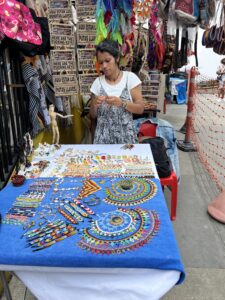
One of the most heartening aspects of Medellin is the resilience of its people. I had the privilege of meeting women from the “Asociacion de Mujeres de la Independencia” (Association of Women for Independence), who have been instrumental in advocating for peace and social change. Their work, often in challenging and dangerous circumstances, provides hope for a brighter future in Medellin.
 .
. 
Cartagena de Indias – Balancing Tourism and Heritage
Cartagena de Indias, founded in 1533 and declared a UNESCO World Heritage Site in 1984, is a city steeped in history. Its colonial architecture, fortified walls, and strategic location made it a hub for trade and the arrival of African slaves.
However, Cartagena faces the challenges of uncontrolled tourism. The city, while stunning and rich in history, grapples with overcrowding, aggressive street vendors, and commercialization. Finding a balance between prosperity through tourism and preserving its cultural heritage is an ongoing struggle.
Santa Marta – A Coastal Retreat
A short journey from Cartagena, Santa Marta offers a coastal escape. The town is divided into two parts, with the older district near Parque de los Novios boasting numerous restaurants and bars. The Rodadero area, with its bustling commercial street along the coast, attracts both domestic and international tourists.
Santa Marta serves as a gateway to Tayrona National Park, a natural paradise with diverse ecosystems, trekking routes, and pristine beaches. The park is a testament to Colombia’s rich biodiversity and natural beauty.
The Lost City (Ciudad Perdida) – Unveiling Ancient Mysteries
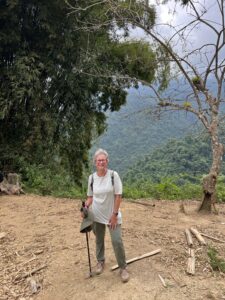
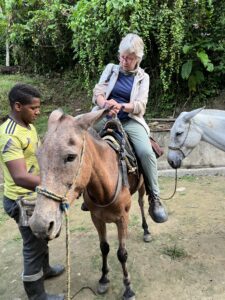
The highlight of my Colombian adventure was undoubtedly the trek to the Lost City (Ciudad Perdida). This archaeological wonder was built around the 8th century by the Tayrona indigenous people and abandoned around 1650. The trek itself spans 4-5 days, navigating dense jungles, crossing rivers, and ascending steep slopes. It’s physically demanding but immensely rewarding.
The Ciudad Perdida trek is a testament to the collaboration between trekking agencies and indigenous communities. These communities authorize access and manage the infrastructure along the way. While basic, the accommodations provide a unique opportunity to immerse oneself in the natural beauty of the Sierra Nevada mountains.
 .
. 
Conclusion
My journey through Colombia shattered stereotypes and revealed a country of resilience, diversity, and beauty. It reinforced the importance of open-mindedness and the power of women in shaping societies. Colombia’s challenges are evident, but so are its efforts to overcome them.
As I bid farewell to Colombia and ventured further into Central America, I carried with me the lessons learned from a land of contrasts and a people with an unwavering spirit.
#ColombiaUnveiled #TravelDiaries #DiscoverColombia ✨