Patagonia, a vast land stretching over 1,060,631 square kilometers, split between two countries, adorned with mountains, glaciers, mountain passes, lakes, fjords, and interconnected towns, is a realm that defies conventional travel. There is no “right way” to explore Patagonia, nor is it possible to cover it all in a single journey. And that’s perfectly fine, because Patagonia beckons you to return, time and time again.
Diverse Travelers, Diverse Choices: Every traveler has their “must-visit places” and makes choices based on time and travel preferences. I’ve seen travelers with oversized suitcases staying in hotels (yes, they exist), sipping cocktails by the pool, traveling in private tours and planes. I’ve also encountered backpackers of all ages from every corner of the world, staying in a wide range of accommodations and experiencing various tourist services. And everything in between.
Choosing Your Path: When planning your route, it’s essential to remember that after witnessing the awe-inspiring beauty of 15 pristine lakes, the next 10 are likely to be equally stunning. This is when you need to decide whether you want to keep exploring lakes or dedicate your time to something different, perhaps trying a new activity. The same principle applies to mountains and trekking routes, each offering a unique experience.
Take Time to Absorb: If you have the luxury of time, I highly recommend planning a 4-5 day stop somewhere to let your impressions settle. Everything here is so vast, with countless options for things to see and do. Taking the time to absorb what you’ve seen makes it easier to decide on your next steps.
Don’t Be Influenced: Don’t let others’ recommendations dictate your journey. Patagonia offers something for every taste, and you have the freedom to choose what resonates with you.
Traveling Safely as a Solo Woman: As a solo female traveler, I found it remarkably easy and safe to navigate this territory. At no point did I feel in danger. Of course, when trekking, you need to exercise caution, and it’s essential to be mindful of your belongings at bus stations or when walking back to your accommodation at night. But these precautions apply anywhere, not just in Patagonia. It’s a matter of common sense. There’s a minimal amount of trickery, especially in hospitality when giving change, but this happens in Spain and many other tourist destinations. So, it’s nothing new. Small towns are safe and tranquil, while cities have a different dynamic. Having local contacts can be incredibly helpful, and there are numerous ways to connect with them through friends of friends, fellow travelers, local tours, and more. Don’t be shy; it’s easy to ask, and people are welcoming.
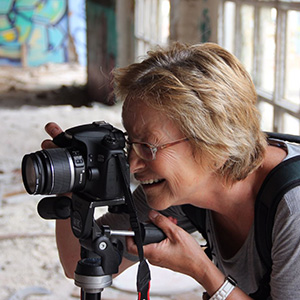
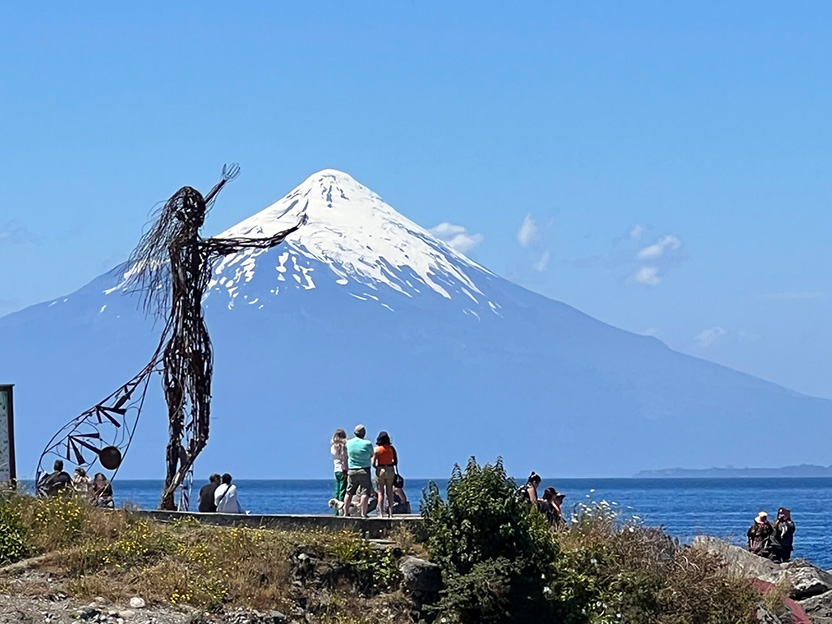
What I Couldn’t Learn: One thing I couldn’t master was controlling my urge to take photographs. When faced with the grandeur and beauty of this colossal landscape, I yearned to capture it with my camera, to share it with those who haven’t had the privilege to visit. However, it proved to be an impossible feat. Patagonia is just too immense, or perhaps I lack the skill. The truth is, you have to come and see it with your own eyes.
Conclusion: Patagonia is not just a destination; it’s a journey of self-discovery. It teaches you that there’s no one-size-fits-all approach to travel, that it’s perfectly fine to choose your path, and that the beauty of this world is best experienced in person. So, pack your bags, leave your expectations behind, and let Patagonia reveal its wonders to you, one adventure at a time.